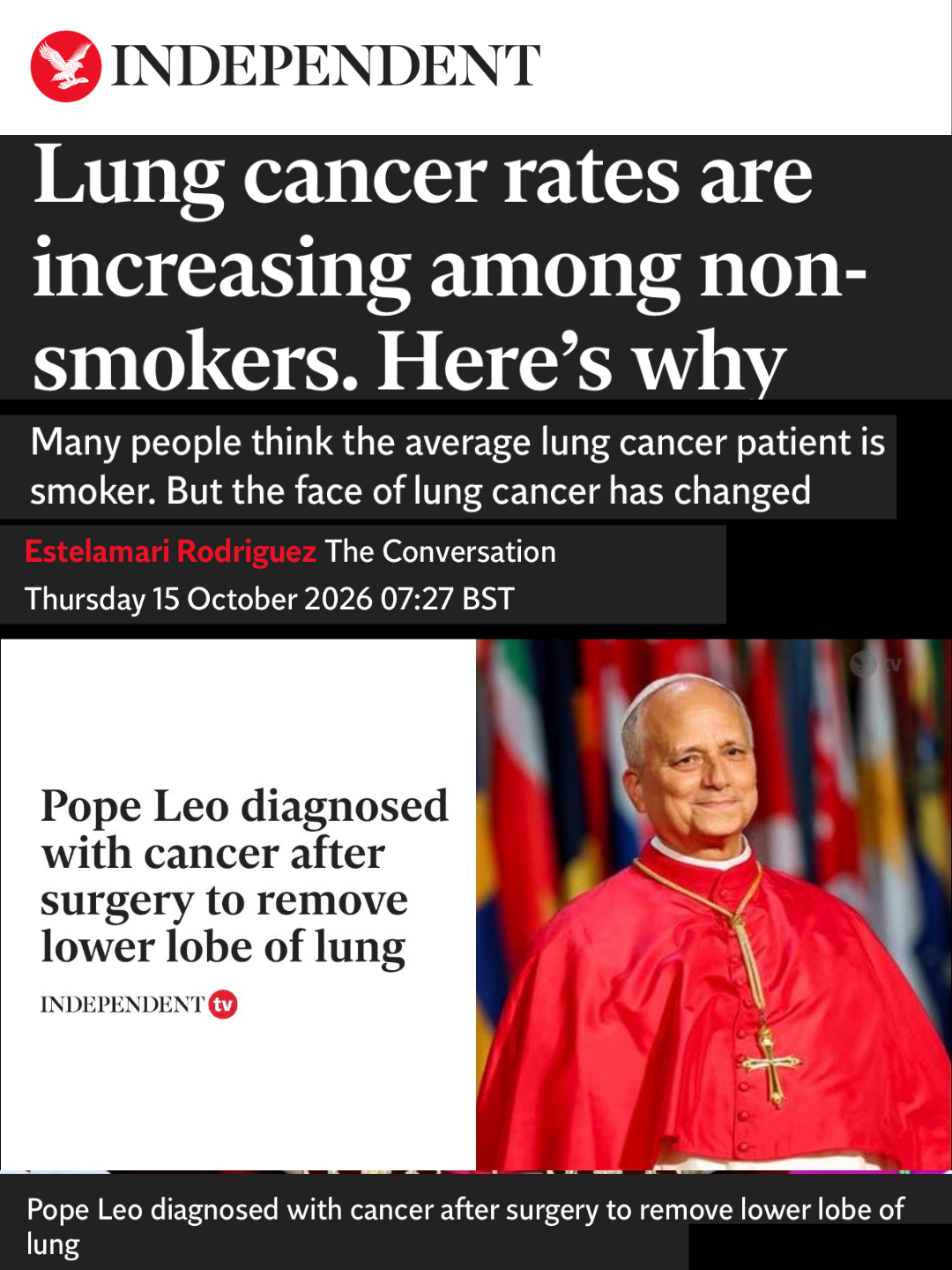
Smoking is a significant risk factor for lung cancer, but anyone can develop the disease, regardless of their smoking history.


Smoking is the leading cause of lung cancer, accounting for around 72% of cases in the UK. However, lung cancer can affect anyone, regardless of their smoking history.
Around 15% of people diagnosed with lung cancer in the UK have never smoked. The term never-smoker is used in research to describe someone who has smoked fewer than 100 cigarettes in their lifetime.

ANYONE CAN GET LUNG CANCER
People who have never smoked may not realise they could develop lung cancer, even when they have persistent, unexplained symptoms.
Lung cancer in people who have never smoked can be difficult to recognise because symptoms are often similar to those of other conditions. This can lead to delays in diagnosis.
NEWS
ANYONE CAN GET LUNG CANCER. ALL YOU NEED IS LUNGS.
ANYONE CAN GET LUNG CANCER. ALL YOU NEED IS LUNGS.

What are the symptoms?
The symptoms of lung cancer are generally similar regardless of whether someone has smoked.
A persistent cough
Fatigue – feeling tired all the time
Shortness of breath
Hoarseness – a croaky voice
Ongoing pain in the chest, neck, upper back or shoulder
Unintentional weight loss and loss of appetite
A chest infection that won’t go away/keeps coming back
Coughing up blood
Persistent enlarged lymph nodes around the collarbone in the neck

What causes lung cancer in people who have never smoked?
Scientists are still learning why lung cancer develops in people who have never smoked. In many cases, there is no clear cause.
Known risk factors include:
Exposure to second-hand tobacco smoke
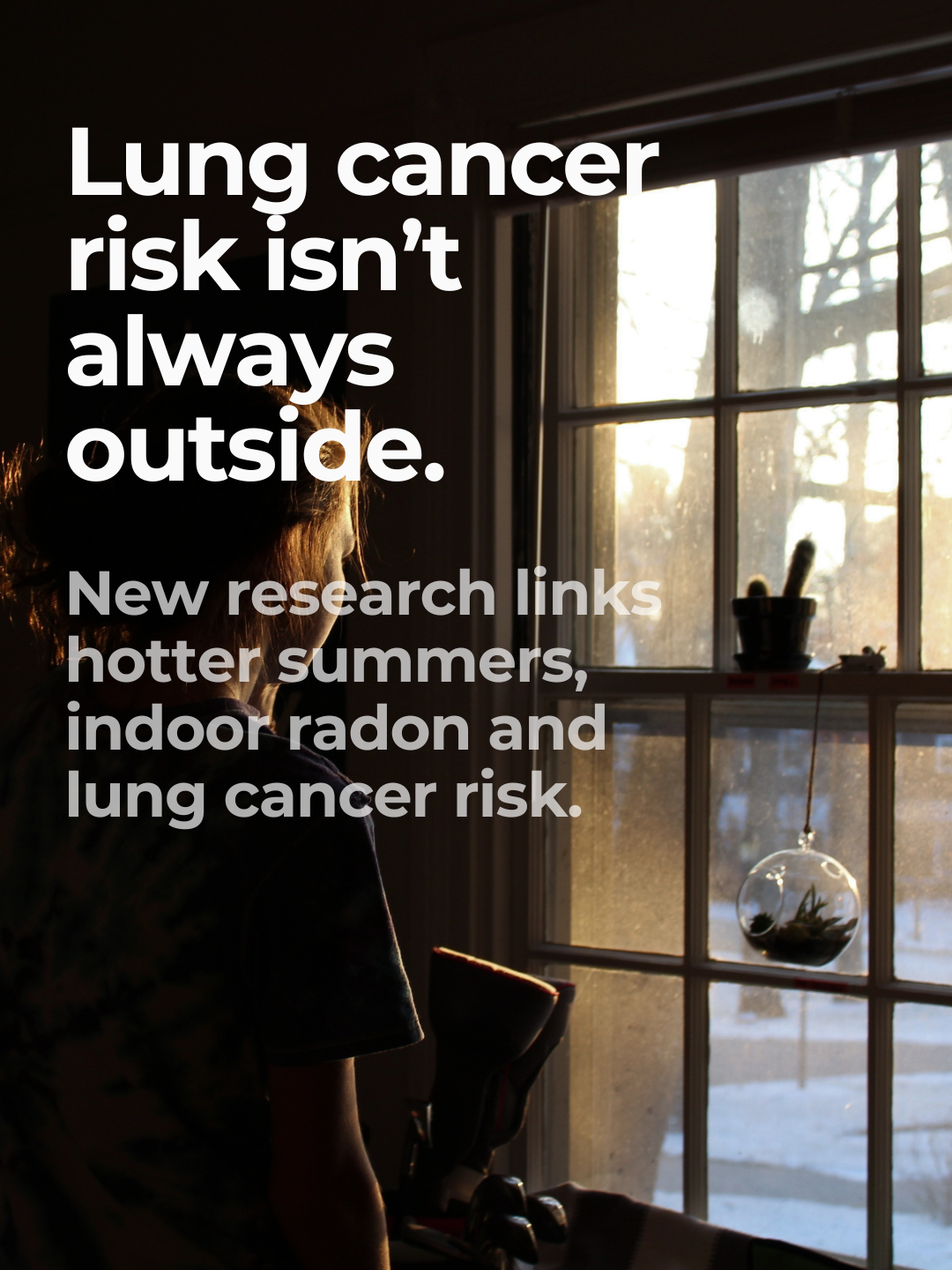
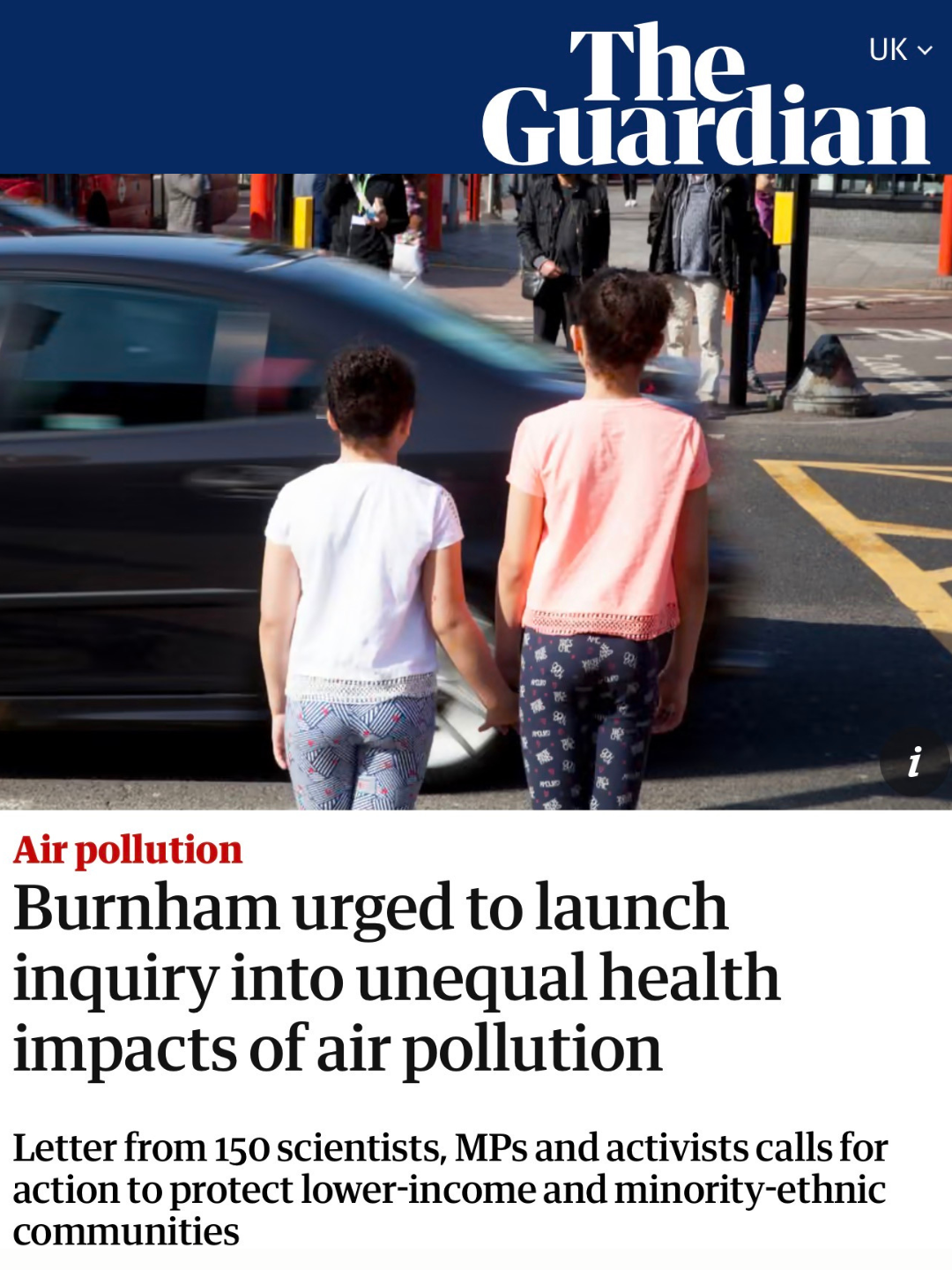
Air pollution
Exposure to radon gas
Exposure to substances such as asbestos in the workplace
Some previous lung conditions may also be associated with an increased risk of lung cancer.
However, many people who have never smoked develop lung cancer without any known exposure or obvious risk factor.

Types of lung cancer in people
who have never smoked
Around 80-85% of all lung cancers are non-small cell lung cancer (NSCLC). Most lung cancers diagnosed in people who have never smoked are NSCLC.
There are many sub-types of NSCLC, but the three main ones are adenocarcinoma, squamous cell carcinoma and large cell carcinoma.
Large cell carcinoma is characterised by large, abnormal-looking cells. It is very rare.
Squamous cell carcinoma often develops in the bronchi cells that line the airways in the middle of the lungs.
Adenocarcinoma is the most common type of NSCLC. It usually develops in the mucus-making gland cells in the outer parts of the lungs. Adenocarcinoma is the most common type of lung cancer in people who have never smoked.
Genetic mutations and lung cancer
Certain genetic changes are more commonly found in lung cancers diagnosed in people who have never smoked.
These include changes involving the EGFR and ALK genes. They can help cancer cells grow and spread.
These changes usually develop during a person's lifetime and are not inherited from their parents.
Testing for these changes can help doctors identify targeted treatments that may be suitable for someone with lung cancer.
ALK+ lung cancer
ALK stands for anaplastic lymphoma kinase. ALK-positive lung cancer is a type of non-small cell lung cancer (NSCLC) caused by a change involving the ALK gene.
This usually happens when the ALK gene joins with another gene, creating what is known as an ALK fusion or rearrangement. This change produces abnormal signals that cause cancer cells to grow and divide.
ALK-positive lung cancer accounts for a small proportion of NSCLC cases. It is more commonly diagnosed in younger people and people who have never smoked, although it can affect anyone.
ALK-positive lung cancer can be treated with targeted therapies that block the abnormal ALK protein.
EGFR+ lung cancer
EGFR stands for epidermal growth factor receptor. It is a protein found on the surface of cells that helps control their growth and division.
EGFR-positive lung cancer develops when certain changes in the EGFR gene cause cells to receive signals to grow and divide uncontrollably.
Around 10–15% of non-small cell lung cancers in the UK have an EGFR mutation.
EGFR-positive lung cancer is more commonly diagnosed in people who have never smoked and people with adenocarcinoma, although it can affect anyone.
Some EGFR mutations can be treated with targeted therapies that block the abnormal growth signals.
See Through the Symptoms
An Urgent Message for Healthcare Professionals
ALK Positive UK, EGFR+ Lung Cancer UK and the Ruth Strauss Foundation developed See Through the Symptoms, an award-winning campaign encouraging GPs and other primary care professionals to recognise and act on lung cancer symptoms, regardless of a person's smoking history.
ANYONE CAN GET LUNG CANCER. ALL YOU NEED IS LUNGS.
ANYONE CAN GET LUNG CANCER. ALL YOU NEED IS LUNGS.