

Air pollution and lung cancer: calls for UK inquiry into unequal exposure
Air pollution is a recognised cause of lung cancer, including in people who have never smoked. Now, 150 scientists, MPs and campaigners are calling for a national inquiry into why some communities face higher levels of pollution than others.
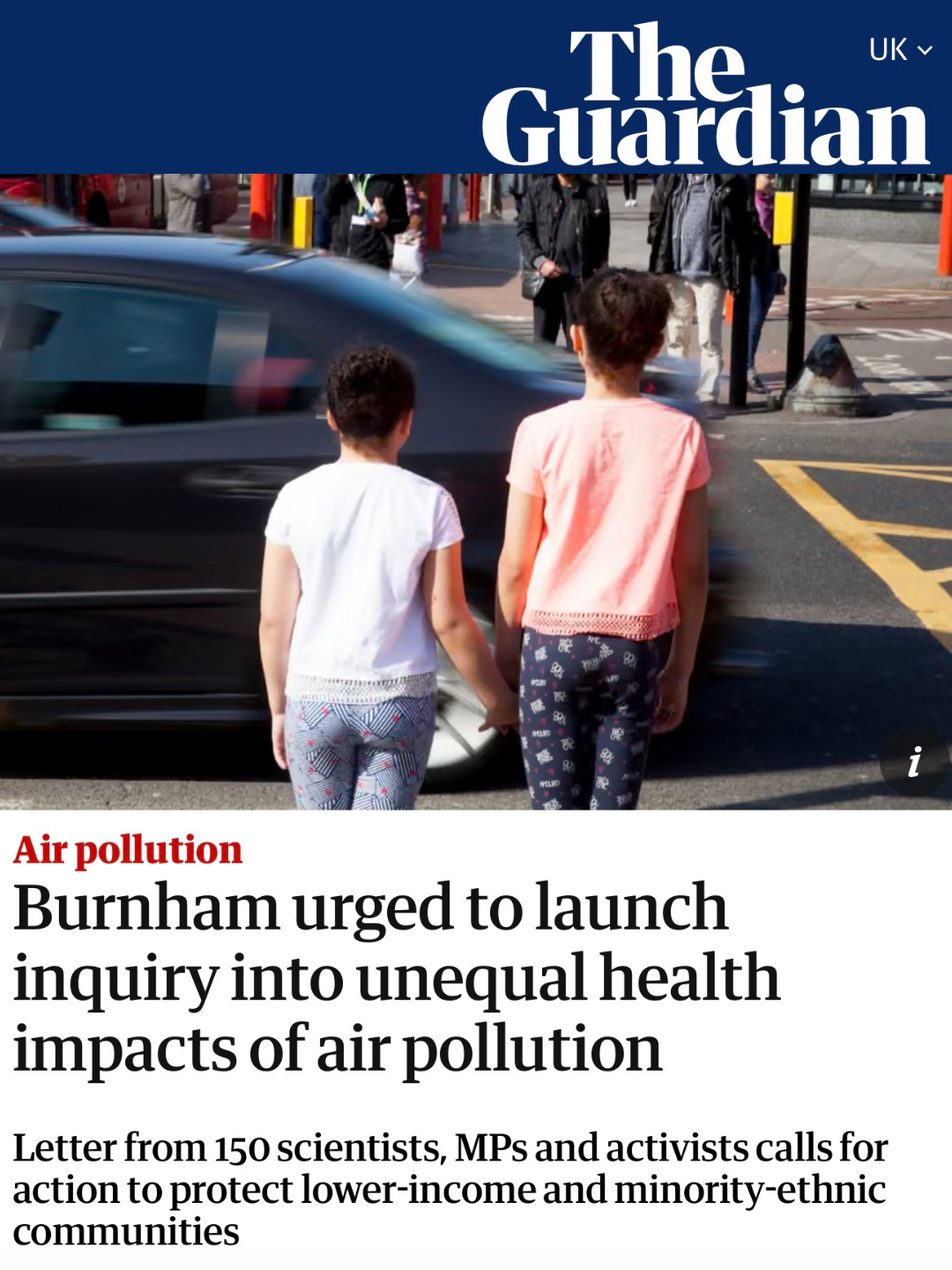
The call, reported by The Guardian on 19 October 2026, follows research showing that people living in lower-income areas and minority-ethnic communities in England are exposed to higher levels of air pollution.
Research by the Institute for Fiscal Studies found that minority-ethnic populations experienced pollution levels around 6% higher than white populations.
How is air pollution linked to lung cancer?
Breathing polluted air over time can increase the risk of developing lung cancer, regardless of smoking history.
Fine particulate matter, known as PM2.5, is particularly concerning. These tiny particles can travel deep into the lungs and contribute to changes that may lead to cancer.
Air pollution is one of several environmental risk factors being studied to better understand why people who have never smoked develop lung cancer.
Why does unequal exposure matter?
People cannot always choose the quality of the air they breathe.
Where someone lives, works or goes to school can affect their exposure to pollution.
The campaigners are calling for a national inquiry into these inequalities and their effects on health.
For All You Need Is Lungs, this raises an important issue: lung cancer prevention must consider environmental risks as well as smoking.
Reducing harmful air pollution could help prevent lung cancer and improve respiratory health across the UK.
Read more
The Guardian: Burnham urged to launch inquiry into unequal health impacts of air pollution
Institute for Fiscal Studies: Exposure to air pollution in England, 2003–23
